Below are some of our current projects and our team has been working round the clock and giving their best to make this country a better place.
Benazir support program: misuse of funds and political bribe
Insaf Society International is currently working on the misuse of funds and political bribe through different schemes in different development sectors of Pakistan. The schemes are set up to bribe voters and waste public funds as well as to make commissions outside the country. The schemes does not create jobs and help in enhancing per capita income. The schemes in fact make the public to depend on government bribe instead of enhancing talent and creativity.
Writ Benazir Support Program & Laptop-Roti Scheme
Decission supreme court and high court writ petitions
Protection of Intellectual's Vision and Ideas
Intangible property: barring intellectuals to come forward and stealing their ideas. There is no protection the law for their rights.
Writ Protection of Intellectual's Vision & Ideas
Decision High Court Lahore
Protest Against Statement Released by Minister Citizenship and Immigration Mr. Chris AlexanderHonorable Minister Citizenship & Immigration Mr. Chris Alexander in an interview to CBS's "Power & Politics" said Pakistan is a state of Sponsor of Terrorism, which is based on an assumption without having an evidence. It was not the stance of the Canadian government and that is all. It was his personal opinion but none of Pakistani political party representative in Canada sent the protest. No political leader of Pakistan is sincere with Pakistan and they don't protect the image of Pakistan.. we sent letter to president Harper protesting for the statement given by his immigration minister Chris Alexander to save the image of Pakistan.
Letter of protest to Canadian Prime Minister Mr. Steven Harper
Visionary request to create new committee in UNO to Canadian Prime Minister Mr. Steven Harper
We sent a visionary request to create new committee in UNO to monitor the judicial systems of third world countries in order to provision of door step justice and free and independent judiciaries in third world countries including Pakistan.
Infringement of Women Basic Rights of Dissolution of Marriage & Harassment by Unlawful Practice of Union Councils in Punjab, Pakistan.
Gender-based violence both reflects and reinforces inequities between men and women and compromises the health, dignity, security and autonomy of its victims. It encompasses a wide range of human rights violations, including sexual abuse of children, rape, domestic violence, sexual assault and harassment, trafficking of women and girls and several harmful traditional practices. Any one of these abuses can leave deep psychological scars, damage the health of women and girls in general, including their reproductive and sexual health, and in some instances, results in death.

Violence against women covers many forms of violence that is directed against a woman because she is a woman or that affects a woman, disproportionately compared with a man.
There are many kinds of and names for violence against women. Here are some:
- Infringement of Women Basic Rights
- Dissolution of Marriage Rights
- Domestic violence or family violence
- Sexual violence, sexual assault or rape
- Sexual harassment
- Homophobic violence
Insaf Society recognizes that violence against women is inextricably linked to gender-based inequalities. We put every effort into breaking the silence and ensuring that the voices of women are heard.
Insaf Society advocates for legislative reform and enforcement of laws for the promotion and the protection of women's rights to reproductive health choices and informed consent, including promotion of women's awareness of laws , regulations and policies that affect their rights and responsibilities in family life.
The abuse, injustice, and life threat to Pakistani Woman along with her dignity and safety has reached to the most dangerous level in man dominating society of Pakistan whereas Government institution, prevailing laws and judiciary are creating hurdles and exploiting woman instead of providing her protection, justice, basic rights and punish guilty criminals and offenders. Even her life and dignity is not safe at all where they are being murdered brutally on the name of honor or are forced to marry a stranger. Incidents of gang Rape, Sex assault, forced sex and abuse have increased to threshold level that no place is left safe for the woman in Pakistan. She is being even harassed and exploited by government offices and union council offices if she approach them for her dissolution of marriage/ infringement of rights due to their illegal and unlawful practices and authority.We identified so many such cases in past but no victimized woman was ready to stand against such powerful government officials backed by elected members of assemblies. We were making efforts by bringing the unlawful practice in the notice of few higher authorities but in vain. Unfortunately, we were also unable to bring a case to prove it as no victim of such incident was ready to fight against the government officials. In the meantime our President of Insaf society International Shumaila Malik went through the same situation and she bravely took the matter to the higher courts to get such officials punished but the matter is still hanging in the court although such criminal act was established by the petitioner in the light of the prevailing statue laws addressing the basic right of woman of Khula ( Dissolution of Marriage by the woman). proofs are attaches in citations.
- Attached Citation for record 1
- Attached Citation for record 2
- Attached Citation for record 3
- Attached Citation for record 4
- Attached Citation for record 5
- Attached Citation for record 6
- Attached Citation for record 7
- Attached Citation for record 8
- Attached Citation for record 9
- Attached Citation for record 10
- Attached Citation for record 11
- Attached Citation for record 12
- Attached Citation for record 13
Taxation Reforms:
Taxation is an extremely important source of funding for any state to finance the running of the governmental functions. Even the oil rich Arab states are now beginning to recognise the importance of this and starting to shift towards a lasting economy with citizens contributing to the national treasury with their share of the taxes.
To put it simply, in all global economies there is taxation, both direct and indirect (in different combinations). Direct taxation is a tax directly levied on an individual or business’s income while indirect taxation entails taxes on products and services whereby consumers are made to pay taxes when they consume these.
In developed countries, realising that taxation is necessary for providing them with necessary facilities, most citizens contribute their share to the state finances. Direct taxation is the dominant part of the tax system in such countries as it accrues some substantial benefits for the economy, people and the state. Importantly, direct taxation allows richer segments of the society to be taxed more and poorer classes are provided with relief and benefits. This proportionate taxation not only helps smoothen the flow of money across various classes of the society but it also helps in ensuring that every citizen has a minimum living standard by providing state assistance where required.
However, a different story is at work in Pakistan. A culture of tax avoidance has long engulfed the business horizons. An ongoing cat and mouse fight between the tax authorities and the taxpayers, with the later believing that it would be a waste to pay off their tax bills due to the deep pockets of the corrupt government officials, has led to a greater focus on indirect taxation. While the tax and state officials rightly point out that no state can perform the necessary duties with the empty coffers, the tax payers also have their point in that they don’t see any real delivery of essential services but instead are greeted with stories of herculean corruption rife all around. The plague of corruption is widely believed to be consuming most of the available resources. Hence, there seems to be a massive break-down of trust between the taxpayers and the “tax-man”.
This serious trust deficit leads to a difficult situation where finance ministry overemphasises on indirect taxation to try to bolster its coffers. Unfortunately this approach has serious negative ramifications for Pakistan’s economy and people which has manifested in worsening the already declining economic situation of the country.
In Pakistan, ordinary people are taxed indirectly on just about everything. Nowhere in the developed world is indirect taxation utilised as heavily as in Pakistan due to the negative effects that it creates for the economy. In Pakistan’s case (and that of many other developing countries following this strategy) the negative impacts far outweigh the contributions raised in this manner due to the missed opportunity costs.
For example, 25-30% had been routinely charged as an indirect tax on every litre of fuel (mainly petrol, diesel, etc) in Pakistan which is a basic necessity for everyday life compared to only 13% in the USA. This way of collecting taxes indirectly leads to inflationary pressures in the economy as the increased transportation costs translates into increased prices for just about everything including the commonly used commodities. The effects are hyper-inflationary in nature because there is a multiplicative rather than an additive element in the inflation passed-on at every level.
Furthermore the pay-rises are not proportionate to inflation thereby forcing people to rely on expensive credit to make their ends meet. Similarly businesses also require more finance to run their operations. This hyper-inflationary environment then leads to higher interest rate which negatively affects the businesses. With higher finance costs many business projects which would otherwise be viable becomes non-feasible. The resulting lack of employment opportunities combined with the limited money-supply puts recessionary pressures on the market. The above issues lead to the devaluation of the currency which in turn results in increased foreign debt burden. As a result, financing costs of the foreign debts rise leading to a higher proportion of GDP spent on debt financing. All this combined with hyper-inflation drags the already estranged economy further back in Pakistan’s case.
The above is a summary of the mess created by the taxation policies pursued by the previous government which are unfortunately continued by the incumbent finance ministry. The result is that while the standard of living of urban Pakistanis is generally considered well-off compared to most developing countries, Pakistan is considered to be lagging behind economically in the league of the nations.
What is actually required is to restore the faith of the taxpayers by implementing a multi-dimensional tax reforms agenda where:· Taxpayers are encouraged and incentivised for paying taxes.· Taxpayers are facilitated by making the process easier and fairer, focusing on maximum automation in order to stem out corruption.· Instead of increasing the tax rates the tax net is constantly widened.· More focus is given to direct taxation.· Meaningful tax rebates and reliefs are introduced for the less able sections of the society.· A system of proportionate taxation is adopted with more affluent contributing more to the treasury.· Certain exempt sectors are brought into the tax-net (subsidies can be given for assisting any under-pressure areas/products).· Tax rebates and incentives are introduced to encourage foreign/local investments in key sectors with tax-breaks for transfer of technology etc, as may be required in a particular sector.· Tax money is actually spent on public welfare and infrastructure projects, which will improve the spending capacity and the business environment in Pakistan.· The massive corruption in public contracts/projects, now routinely in the range of 40-50% of tender values, is eradicated for better and efficient use of public money through revamping the pay and accountability structures.
With all the natural resources at our disposal, a high proportion of population been young and hardworking and cheap labour availability, a fairer system of taxation culminating into a fairer economic policy can provide the necessary environment to harness the economic potential of Pakistan.
The key reforms outlined above, if properly implemented, can resolve the current enigma facing the treasury. Should such reforms be made with reliance on local resources and a will for change, there is no reason why Pakistan cannot stand on its own feet and become an economic, hub not only for the region but the whole world.
Restructuring of Financial Sector and Risk Management Industry thus creating half Million Jobs
Background:
Financial sector and risk management industry is amongst the biggest industries of developed countries in the world that has been creating and providing millions of jobs in private and government sectors. Historically, financial institutions and insurance providers in developed countries commendably played major role in lowering unemployment rate, mitigating disastrous and fatal incidents, tailoring systems and procedures for good governance, boosting investment sector, creating new professions, and increasing in GDP share of their countries. The remarkable role played by this industry for their countries was aiding governments financially for revival of sick economies during depression eras that prevented their countries from defaulting. 
VISION AND PROJECTION:
Pakistan has been divesting from benefits and advantages of well planned, effective, organized and developed financial sector and risk management industry. No visionary step for restructuring this industry is being taken yet to develop it unto the level of developed countries in order to get the advantage of such proven source of job creation and good governance enhancement for the society. In failure of this; common man of Pakistan is being deprived of benefits of proper regulated compensatory system that may compensate the innocents for tortious acts of wrong doers and law violators as well as has barred formation of a potential job bank that would create millions of jobs in related and linked fields for unemployed educated Pakistani youths. In fact; Pakistani economy and society need to have such system that has to be regulated and implemented properly that will address the law of equality, principle of equal wealth distribution and will also result in elimination of injustice, nepotism and corruption that consequently will change Pakistan gradually into a semi welfare state.
The reasons for not having such developed industry in Pakistan is due to lack of highly qualified professionals in the marketplace, nonexistence of research organizations and associations for improvement of products, laws and contracts, unavailability of specialized educational institutions, Risk management & Insurance professional societies and specifically inadequacy of insurance professionals in government or semi government regulatory bodies like Pakistan Insurance Corporation.
In order to give a revolutionary boost to this industry of Pakistan; it needs a properly planned program, certain reforms in financial products rules ®ulations and related Laws as well as required new legislation and or implementation of in force laws for legal liabilities and preset fault determination rules and procedures. It also needs our parliament to endorse colonial Tort laws and to reform Insurance Act, Highway Traffic Act, duty of care principles in order to take the industry unto the level of developed countries. Consequently an appropriate compensatory system will be in place that by default will enhance wellbeing of common man, will mitigate fatal incidents, will hold responsible wrongdoers and violators, will prevent litigation and provide rapid door step justice. It will also enhance good governance and minimize burden on public exchequer, create millions of jobs and will make more room for new investments.
The program is designed to facilitate guaranteed decrease in unemployment and it will also produce insurance and risk management professionals those will bring foreign exchange in the country after getting share of highly paid jobs in foreign markets. The initiative of developing this industry will bring foreign aid and low interest loans from international donors.
In order to implement this program there will be a need of certain legislation and reforms in prevailing law and codes related to this industry. The model for restructuring of the industry is designed and tailored that it requires start up limited funding. Implementation of this project will result in socio-economic growth, good governance, distribution of wealth, generation of large size of revenue for the government, creation of jobs, equal opportunities for public, justly compensatory system, less litigation, rapid disposal of liability disputes, mitigation of losses and a massive decrease in fatal incidents. It will make the public members law abiding and conscious for their duty of care and their legal liability towards society. The impact of implementing the system will also bring new investment, foreign Aid and loans from international donors:-
Beneficiaries and Stakeholders:
1. State
2. Common Man and general public
3. Businessmen
4. Investors
5. industrialist
6. Financial Institutions
Model:
The model of this program is similar to the systems prevailing in developed countries of North America and European Union including certain countries in Asia and Middle East.
The program will base on certain reforms in tort law, legal liability laws, insurance Act, financial products rules and regulations, highway traffic act, environment protection laws, labor laws, human safety act and compliance of obligation for duty of care.
Objectives, Purpose and output: The implementation of program will: 
1. Create new jobs ranging from 450,000 to 500,000
2. Generate a large amount of revenue for the government
3. Bring foreign aid and low interest loans from International donors
4. Reduce burden on government departments minimizing chances of government assistance and compensation on individual case basis
5. Bring new investments opportunities and increase in economic activity
6. Speedy justice for solution of petty liability disputes
7. Formation of advanced educational and professional studies institutions producing highly skilled professional of North American standard
8. Control corruption on grass root level and will enhance quality of life of common man
9. Enhance standard of service providers and professionals by setting up code of conduct, ethics and moral obligations
10.Protect consumers’ rights.
11. Provide environment of social justice and sense of responsibility
12.Maintain rule of law and writ of the government
13.Create safe environment and duty of care for common man
14.Save government resources and public exchequer.
15.Control disastrous industrial or other incidents and accidents.
Judicial Reforms:
The prevailing structure of Pakistan legal system along with norms and practices of the institution is one of the over burdened, complex and expensive judicial systems of the world. Pakistani judiciary is free and independent but still is very difficult to access for a common man to get door step justice. The structure of courts system is the same to date that was set up by the colonial masters before independence. Pakistani legal system delegate powers to one man known as judge on every level from civil courts to supreme court. In certain cases double bench or full bench comprising of employed judges are provided in superior courts of justice but most of the time one man is being delegated powers to decide the fate of the parties to trials. In fact, One man as judge may not be appropriate for a transparent judicial system rather with an addition of public members jury for high profile and complex trials.
Secondly, Tort law is in force in Pakistan but is not being endorsed by the parliament yet resulting no such precedent is seen in common law of punishment or award for damages for bodily injury or property damage to a member of public that may have addressed legal liability for negligent act of the manufacturers, service providers, health services providers and or any professional organizations whereas legal liability for negligence is been given priority by court of justice in developed countries.
Further, The attorney system in Pakistan is damn expensive due to unchecked and unaccountable code of conduct of lawyers by bar councils that has deprived common man from lower class of not being able to use justice system for their issues where they can’t think to knock the doors of justice department. Currently no citizen other than influentials and strong ones can seek justice in such utmost cruel culture of nepotism, unjust society and unsafe environment.
Historically failure of a judicial system anywhere in the world definitely resulted in embedded high level of corruption, malpractices, misuse of power, nepotism, enhancement of immorality, ineffective so called democracy, least nation building, unaccountability, inappropriate and unproductive policies, lack of national interest, dictatorial regimes, wrongdoings and unjust culture. The flaws, deficiencies, loop holes in laws and unlimited authority to one man cannot provide a transparent justice to the society.
Pakistan legal system also needs judicial reforms in order to provide cheap, easy, fast and door step justice to common man. We need small courts in every small town where common man can access court of justice without lawyers and be guided by court clerks to plead their trials in person. Further, public members jury system must be appointed for high profile and complex cases in trials to help the judges fro fair and transparent trials.
Curb Sectarianism and Terrorism
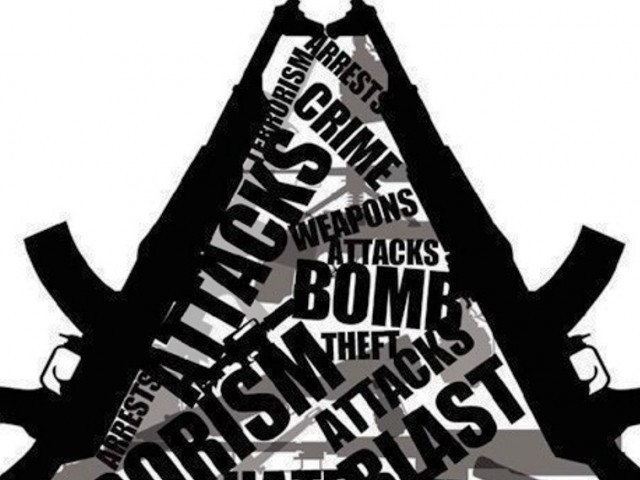 All too often we are reminded that terrorism continues to inflict pain and suffering on people all over the world. Hardly a week goes by without an act of terrorism taking place somewhere in the world, indiscriminately affecting innocent people, who just happened to be in the wrong place at the wrong time. Countering this scourge is in the interest of all nations and the issue has been on the agenda of Insaf Society International.
Mr. Mansoor and his team are in the continuous process of researching and developing methods to curb terrorism.
Infringement of Rights – Intellectual Property Ordinance
The Intellectual Property ordinance does not provide protection of rights to such visionary people whom float the ideas in the interest of country and for the welfare of the society but the politicians and government officers especially the bureaucrats steel the ideas and present them as their creativity to get the reward of those visionary ideas of the unknown genius ones whom flashed those ideas with their extra ordinary vision. The reason of such deficiency is that the prevailing laws of Pakistan do not protect the rights of such intellectuals to bring then at front to hold important tasks and positions. Consequently, the talent in our country from poor and suppressed class is not being encouraged and being given a chance to hold important positions in the government and or in parliament. The selection of Senators and women members parliament are based on nepotism and favoritism. Historically, no welfare or public interest policies and programs are being legislated by senate yet. Intellectual Property Ordinance do not address infringement of rights of intangible property of genius and visionary people like journalists, columnists and reformers etc.
The Chairman, Insaf Society Mr. Fayyaz Mansoor reviewed the whole ordinance and concluded that it requires to be amended to accommodate the infringement of rights of columnists, journalists, poets, book writers, reformers, social workers and any genius or talented person from poor and suppressed class so that right of the flash of genius may be rewarded to the creator of the idea.
The whole issue is relating to the infringement of rights of a group of patriotic intellectuals who mainly consist of social scientists, reformers, social workers, men of vision, people working without remunerations in national interest and whom create things with their unusual wisdom of foreseeing, talent, education, research, extraordinary vast knowledge and creativity to enhance economic and social wellbeing of a common man. The creative work done by such people comes under the category of intellectual intangible property but the law of intellectual property does not provide protection to their visionary creative work and or for infringement of their rights. Further, no other legislation, statute, law, precedent of any case law under common law, ordinance or article of any commission addresses the matter of unprotected rights of the said group of people.
That in absence of any sections of law or an ordinance to protect the intellectual intangible property against the offense of infringement of rights; there are a lots of instances of victimizations where many powerful big guns stole ideas of such people and got the benefit of being their creativity. Thus they benefit from the work of the other people and win appreciation while the real heroes remain behind the scene and neglected. In some instances the real heroes do not have access to judicial system or to higher authorities where they can claim recognition for their work or register their protest.
That as a result of such flaws, the nomination and selection of deserving people for the highest national awards and titles becomes biased. It becomes impossible to make merit based decisions when a lot of people are deprived of their creations and their work is either attributed to politicians or to some bureaucrats. In most of instances, such articulate work, research projects and identified flaws, recommendations or reforms are stolen by bureaucrats in order to boost their image as intellectuals.
Chairman Insaf Society has challenged it in Supreme court of Pakistan because his right of visionary idea of providing Emergency first aid at scenes of accidents or crime scenes prior to fulfilling the mandatory condition of Medico Legal procedure that was mandatory requirement of registering FIR with police station is being claimed by someone else.
Legal Reforms (section 56, 109 CRPC & Abetment Laws
Mr. Mansoor studied sections 107, 108 and 109 of Pakistan Penal Code and compared allegations upon prisoners with factual incidents and found out grey areas and ambiguity of wording in applying the law that was absolutely due to corrupted police. It was determined that the said laws can be misused easily in dragging innocent people into crimes that they never had committed.
Mr. Mansoor sent a private bill to prime Minister and chairman senate requesting an amendment in sections 107,108 and 109 of PPC whereas its unfair application is causing social injustice. Mr. Mansoor proposed that a procedure of adding names of abettors under section 107,108 and 109 of PPC should be amended and reformed. The addition of a name of an abettor in the crime Challan Sheet and detention of such person must be either subject to a confession of the abettor before the court or testimony of the charged person for an abettor’s involvement, authentic four witnesses and or instigation, engagement, conspiracy or intention of aid before the police.
Institutional Reforms & Performances
Insaf Society International is currently working on the institutional reforms and its impact on different development sectors of Pakistan. We are doing a through research on potential key institutional drivers that may contribute to improving public sector efficiency. There is indeed evidence that some institutional variables help improve efficiency, mainly: functional and political decentralization to sub-national governments; certain human resource management practices; and increasing the scale of operations. The most notable conclusion, however, is that there is a lack of empirical evidence and systematic evaluation of the impact of institutional variables on efficiency
Population Control
It was determined that the high growth rate of population is affecting Pakistan adversely since no proper planning is in place to cater to the needs of such a large population. In past Vice Chairman of Insaf Society Ms. Talat Mansoor conducted a research project on Population planning and family size that will be an ideal strategy to cater the problem. The research led to the results that there is an urgent need to uplift the role of girl child and her contribution to family economics. There is a need to promote awareness of the benefits of a small family.

Unfortunately, Pakistan government has not taken the issue of an escalating population crisis seriously and has ignored our research findings and recommendations along with other such researches. Today, damage to the already frayed economy and depletion of natural resources, increased poverty, high rocketed crime rate and terrorism, high rate of unemployment is due to this rapid increase in population count has already been experienced
Institution Reforms to End the Corruption Bribery and Nepotism:
What is it?
Corruption is the abuse of public power for private gain. Bribery, misappropriations of public goods, nepotism (favoring family members for jobs and contracts), and influencing the formulation of laws or regulations for private gain are common examples of corruption.
Why should I care?
Between $1 trillion and $1.6 trillion dollars are lost globally each year to illegal activities, according to World Bank estimates. Corruption decreases the amount of wealth in a country and lowers the standard of living. Corruption affects you even if you don't come into direct contact with it. For example, corruption:
- Discourages businesses from operating in a corrupt setting, reducing the overall wealth in a country.
- Reduces the amount of money the government has available to pay workers and buy supplies such as books, medicine and computers.
- Distorts the way the government uses its money, lowering the quality of the services it provides: schools, health clinics, roads, sewer systems, police.
- Allows those with money or connections to bend the law or government rules in their favor.
- Undermines everyone's trust in government.
When countries tackle corruption they increase their national incomes by as much as four times in the long term. Business can grow as much as 3% faster, and child mortality can fall as much as 75%. Four reasons that corruption can thrive are:
- Opportunity: People get involved in corruption when systems don't work well and they need a way to get things done regardless of the procedures and laws.
- Little chance of getting caught: A lack of accountability comes when there is little transparency (for example, public officials who don't explain what they are doing, how and why), and weak enforcement (law agencies who don't impose sanctions on power holders who violate their public duties).
- Bad incentives: For example, a clerk who is not earning enough to live on, or not sure that he will have a job tomorrow, might supplement his income with bribes.
- Certain attitudes or circumstances that make average people disregard the law. They may try to get around laws of a government they consider illegitimate. Poverty or scarcity of key goods such as medicine may also push people to live outside the law.
Insaf Society International is a non-profit organization, we are putting our whole efforts to dig deep and highlight as many as possible problems in this beloved country of ours and also making it possible to implement measures to rectify these problems. We welcome everyone to join and highly appreciate your support either by donating for this noble cause or by joining us so that together we stand and make a more louder sound for the change.